The chewing surfaces of molars contain deep grooves that trap food and bacteria. Dental sealants at Royal Aesthetics Dental Clinic in Ota coat those surfaces with a protective layer that makes cleaning easier and decay less likely.
Families from Sango Ota, Ijoko, Ifo and Ewekoro bring children and teens to our Biskotech Plaza clinic for this quick and comfortable preventive treatment.
What dental sealants are
A sealant is a thin plastic coating painted onto the chewing surface of a back tooth. It flows into the pits and grooves and hardens into a smooth shield.
The coating keeps food particles and bacteria out of areas that a toothbrush cannot fully reach. Sealants are visible only as a clear or tooth coloured layer.
Sealants are clear, white or lightly tinted, so they blend with the tooth. Most children and parents notice them only when the dentist points them out.
Why molars need protection
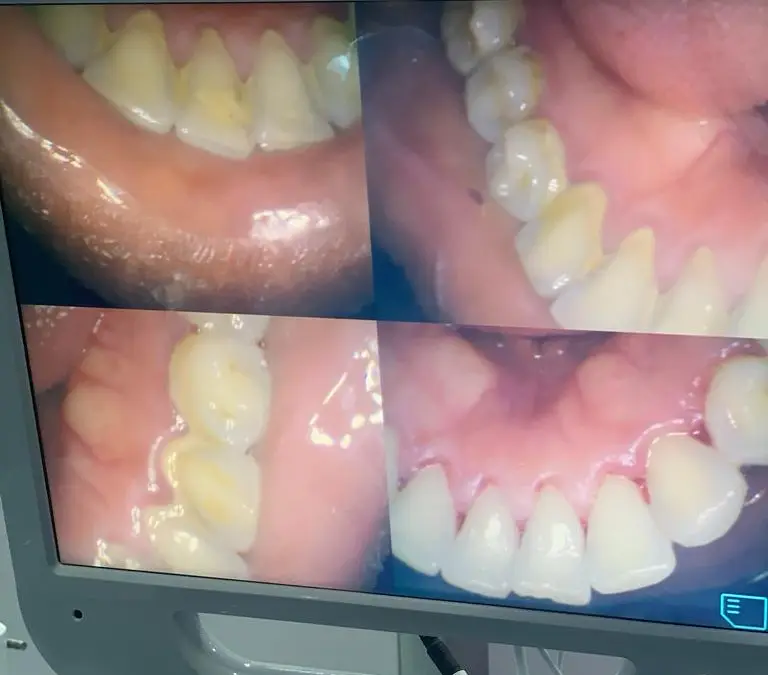
Molars come through in childhood and the early teenage years, and their deep grooves make them prone to cavities. Newly erupted teeth are especially vulnerable while children are still learning thorough brushing.
Placing sealants soon after molars appear gives them protection during these high risk years. Adults with deep grooves and a tendency to decay may also benefit, depending on assessment.
- First permanent molars
- Second permanent molars
- Deep grooved premolars
- Teeth at risk of decay
How placement works
The dentist cleans the tooth, dries it and applies a mild conditioning gel so the sealant bonds well. The sealant is then painted on and hardened with a curing light.
The procedure involves no drilling and typically needs no anaesthesia. Each tooth takes a short time, so children usually sit through it with ease.
Your visit at the clinic
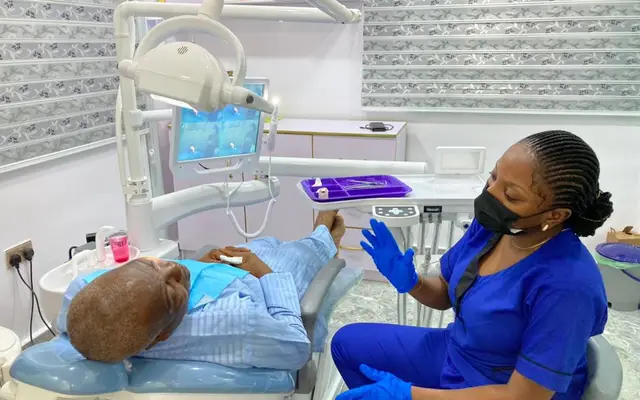
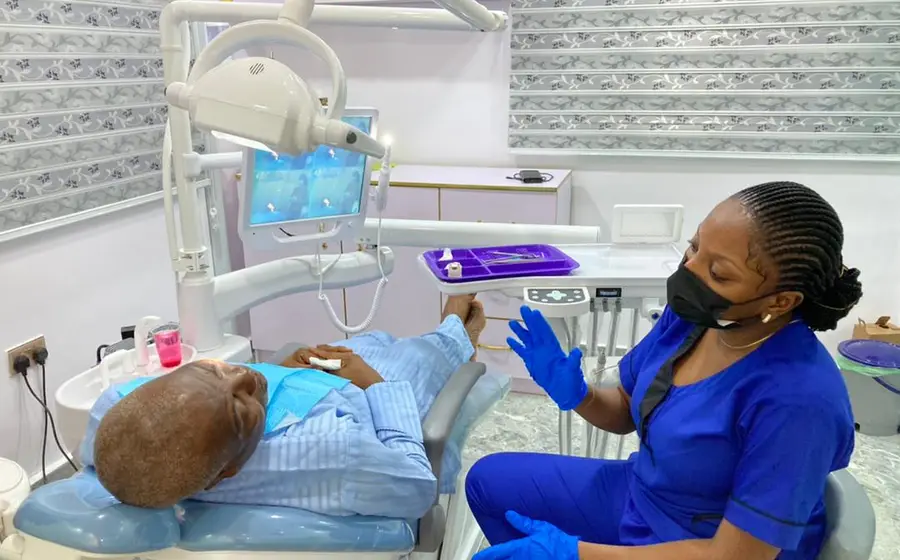
The dentist first examines the teeth and may take digital X-rays to confirm there is no decay beneath the surface. Sealants are placed only on teeth that suit them.
Our gentle and calm environment helps children feel relaxed. The team shows the child what to expect and keeps explanations simple.
Parents often ask whether sealants replace fluoride. They work alongside it, with sealants shielding the grooves and fluoride strengthening the enamel overall.
Aftercare and long term maintenance
Sealants are cared for with regular brushing and flossing, and they typically last for several years. The dentist checks them at each visit and repairs or replaces them if wear appears.
Sealants work alongside fluoride toothpaste, healthy snacking and regular check ups. Related services include childrens dental care and composite dental fillings.
What to expect at our dental clinic
- 1
Examination
The dentist checks the molars and confirms they suit sealant placement.
- 2
Cleaning and drying
The tooth surface is cleaned thoroughly and dried.
- 3
Conditioning
A mild gel prepares the enamel so the sealant bonds securely.
- 4
Sealant application
The coating is painted into the grooves and hardened with a curing light.
- 5
Bite check
The dentist confirms the bite feels comfortable and the coating is secure.
Why choose our dental clinic for dental sealants
Dentist led assessment
A dentist at our dental clinic reviews your teeth, gums and goals before recommending plaque, tartar, gums, enamel, fluoride, sealants and digital X-rays. This careful start keeps every dental sealants plan matched to your needs.
Two convenient dental clinic locations
Choose our Ota dental clinic at Biskotech Plaza off Idiroko for care near Sango Ota, Ifo, Agbara and Abeokuta, or our Magboro dental clinic on Magboro Road for care near Mowe, Ibafo, Arepo and Ojodu. Call 0913 311 8567 to book dental sealants with our dental team.
Benefits of dental sealants at our dental clinic
- Quick and painless placement
- No drilling required
- Shields grooves from food and bacteria
- Makes brushing molars easier
- Suited to children and teens
- Supports a lifetime of healthy teeth
Who should visit our dentist for dental sealants
- Children with newly erupted molars
- Teenagers at risk of decay
- Patients with deep tooth grooves
- Those who find molars hard to clean
- Adults with a history of cavities on chewing surfaces